



As we move into 2026, kitchen design is undergoing a quieter, more intentional evolution. No longer defined solely by function, the kitchen has become the emotional and social centre of the home, a place to cook, gather, entertain, work, and reset.
Designers and homeowners are already feeling it: today’s kitchens must balance more flexibility, more personality, more warmth, and smarter performance.
In Vietnam, this matters even more: open-plan layouts, strong daylight, and humidity make “beautiful on day one” very different from “beautiful after two years.” In this article, we explore the most important kitchen design trends for 2026 and how Upscale’s bespoke kitchen solutions align naturally with this new era of living. Upscale approaches the kitchen as an architectural system: layout, storage logic, material behaviour, lighting, and integrated performance designed as one composition.
In our projects, the biggest difference in open-plan homes is how the kitchen reads from the living room.
1. Kitchens as Multifunctional Living Hubs
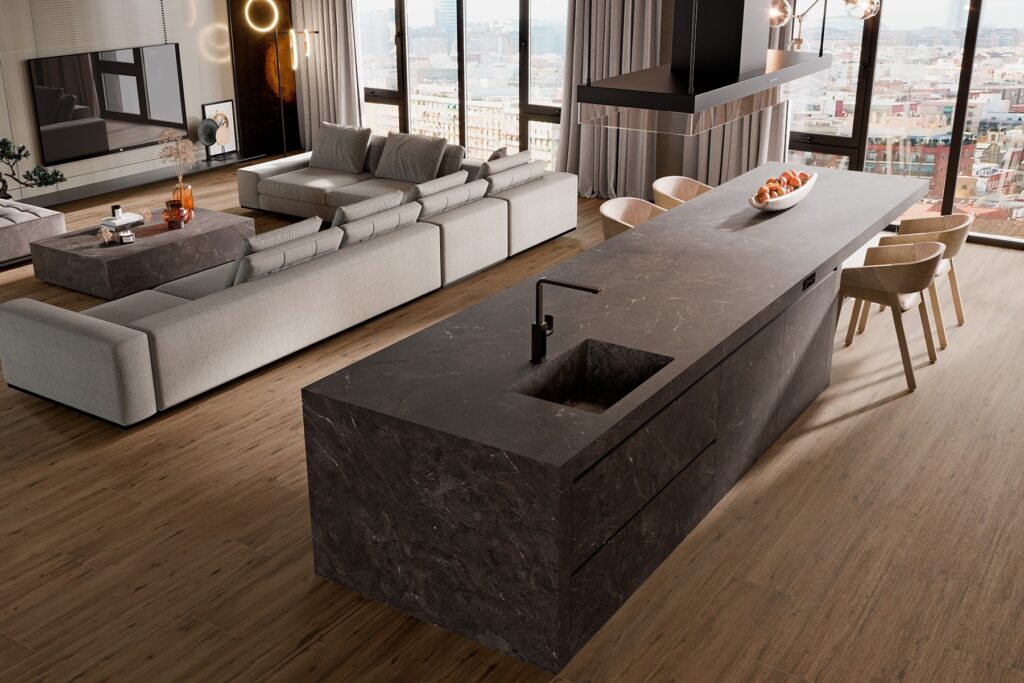
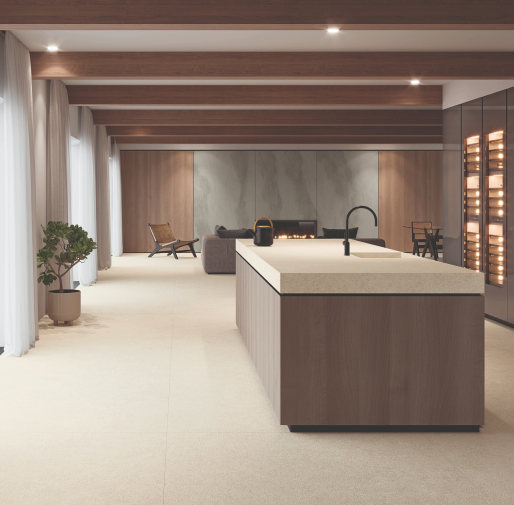
Kitchens are expanding beyond cooking zones to become true living spaces. Islands now function as prep stations, breakfast counters, casual dining tables, work desks, and social hubs all at once.
In Vietnam’s luxury apartments and villas, the kitchen is often directly connected to the living and dining areas. During gatherings, these spaces must support food preparation, serving, and conversation simultaneously.
Design Implication
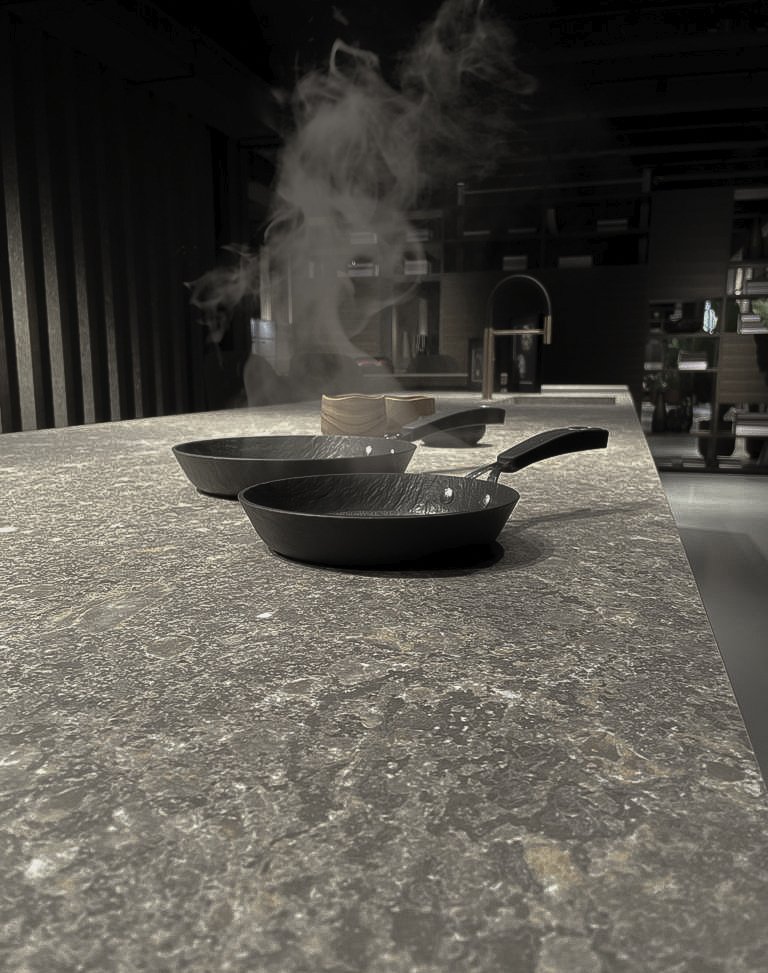
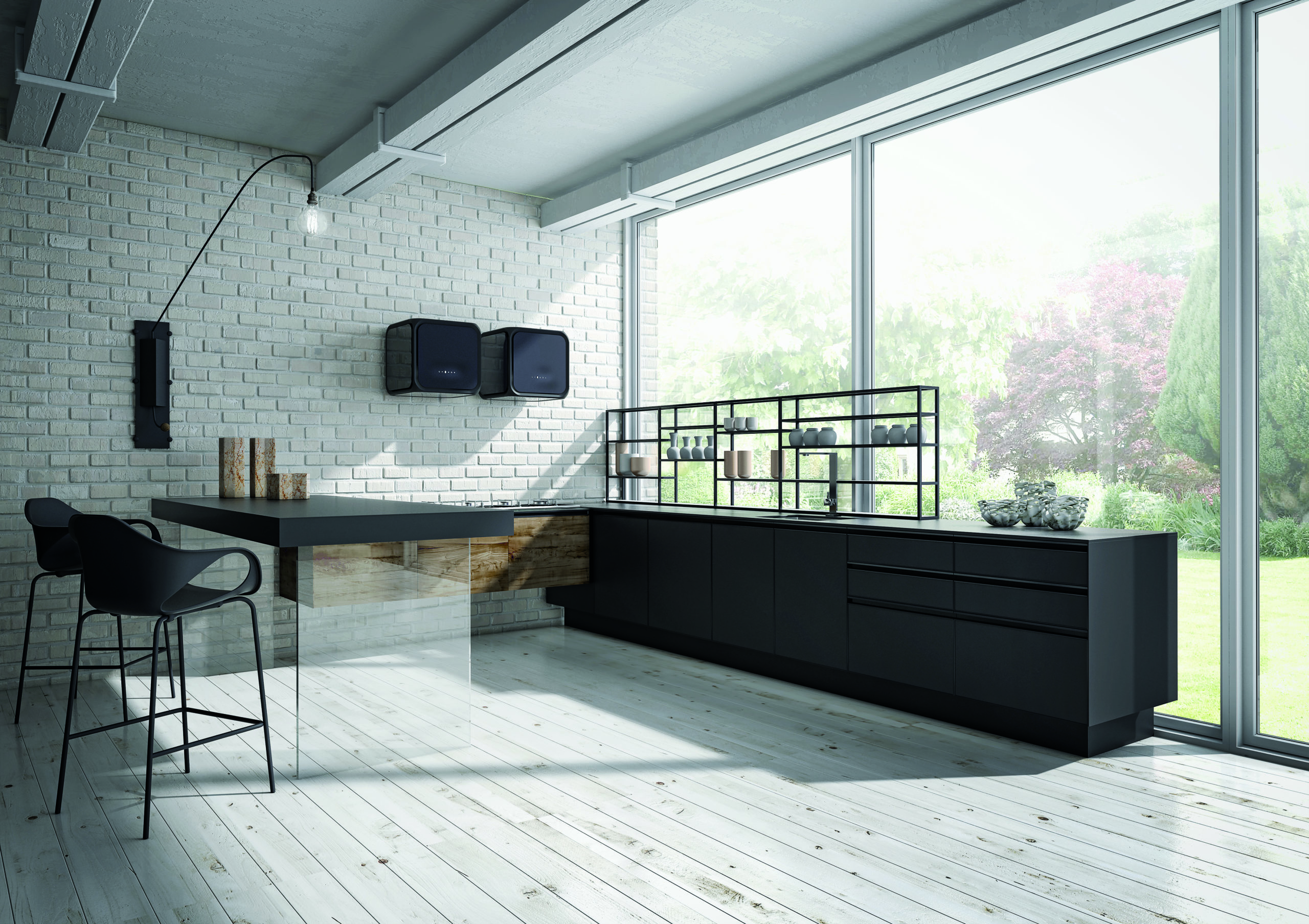
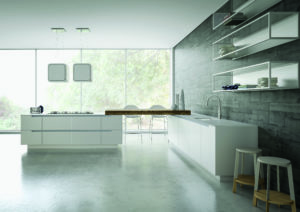
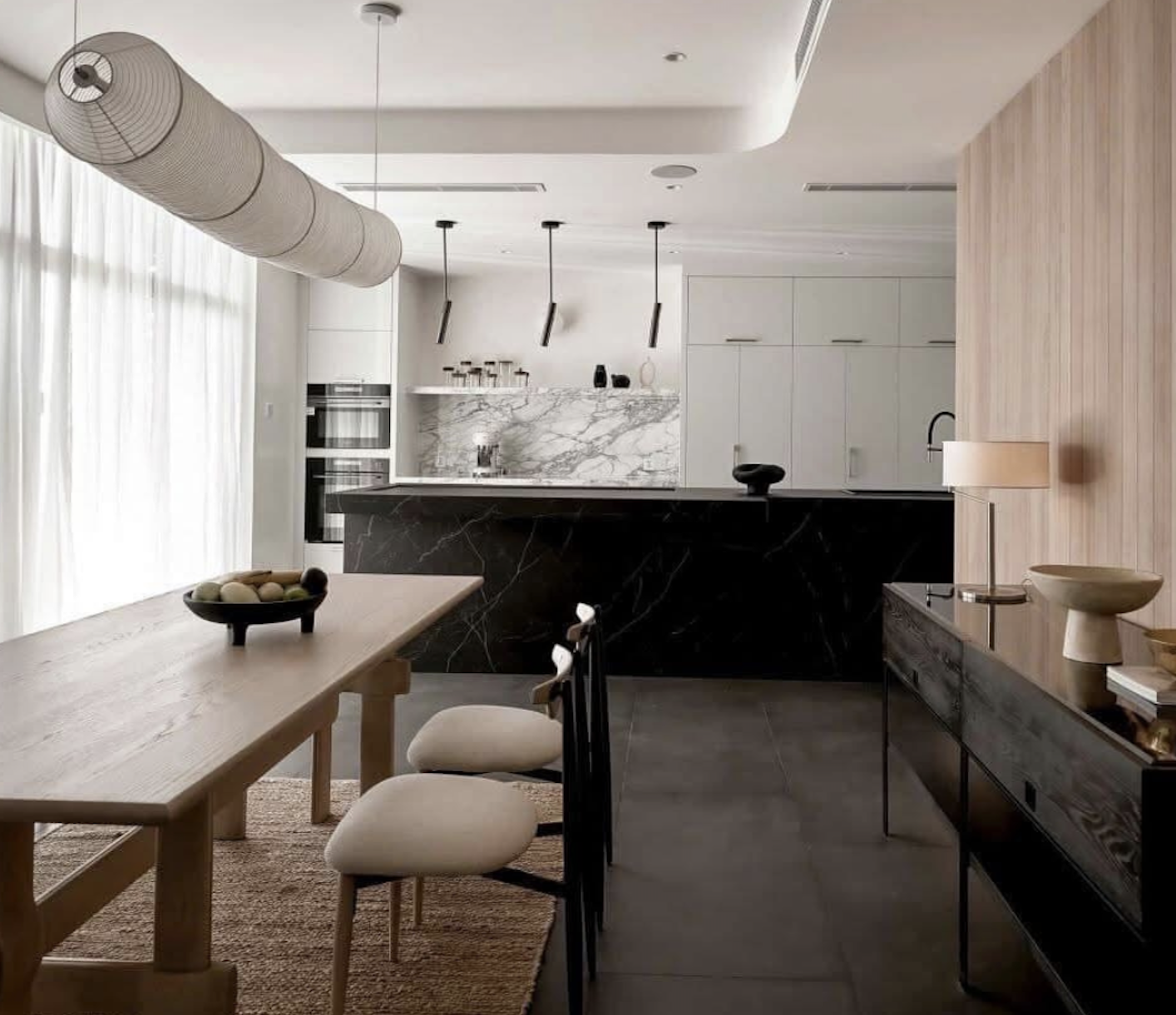
Surfaces and layouts must transition effortlessly between tasks. Visual clutter is reduced, and large uninterrupted worktops allow the same area to move from cooking to entertaining without feeling like a “back-of-house” zone. When the kitchen is visible from the living room, every line and object matters.
Upscale designs bespoke kitchens that prioritise spatial flow and lifestyle, allowing the same surface to transition effortlessly from cooking to entertaining, without visual clutter or compromise.

2. Warm, Organic Palettes Replace Sterile Whites
All-white kitchens are giving way to softer, nature-driven tones that feel more relaxed and welcoming. Trending palettes include:
-
Mushroom and greige tones
-
Warm creams and soft taupes
-
Sage green and deep forest hues
-
Natural wood finishes
These palettes respond beautifully to Southeast Asia’s strong natural light, reducing glare and creating a more liveable atmosphere.
Local Context
Warm tones also age more gracefully in humid climates and high-use homes, where subtle texture and material depth help conceal everyday wear while maintaining elegance.
Design Implication
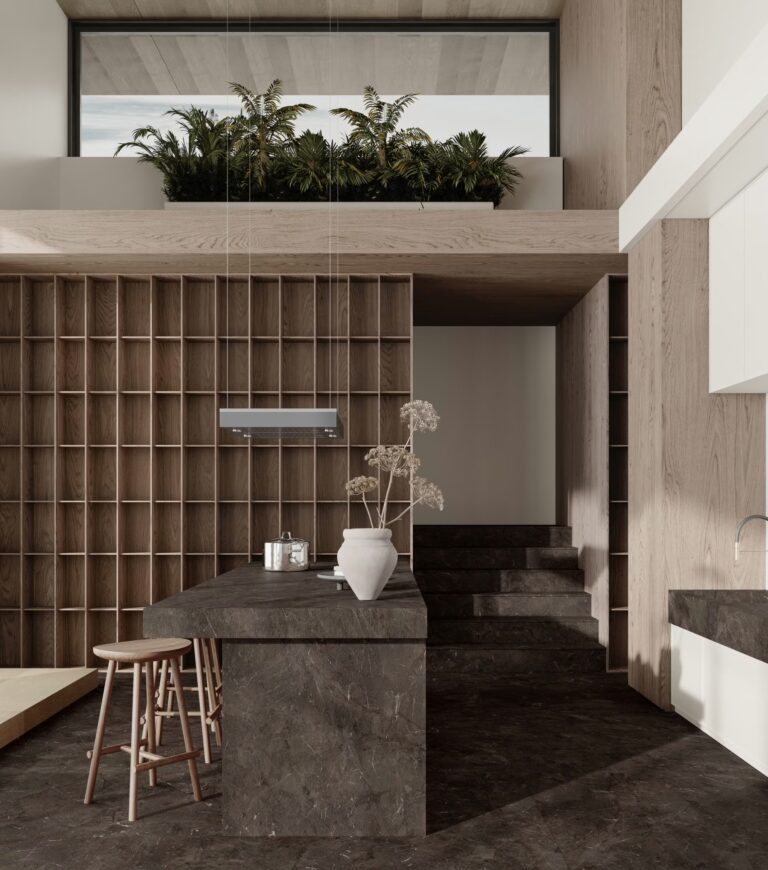
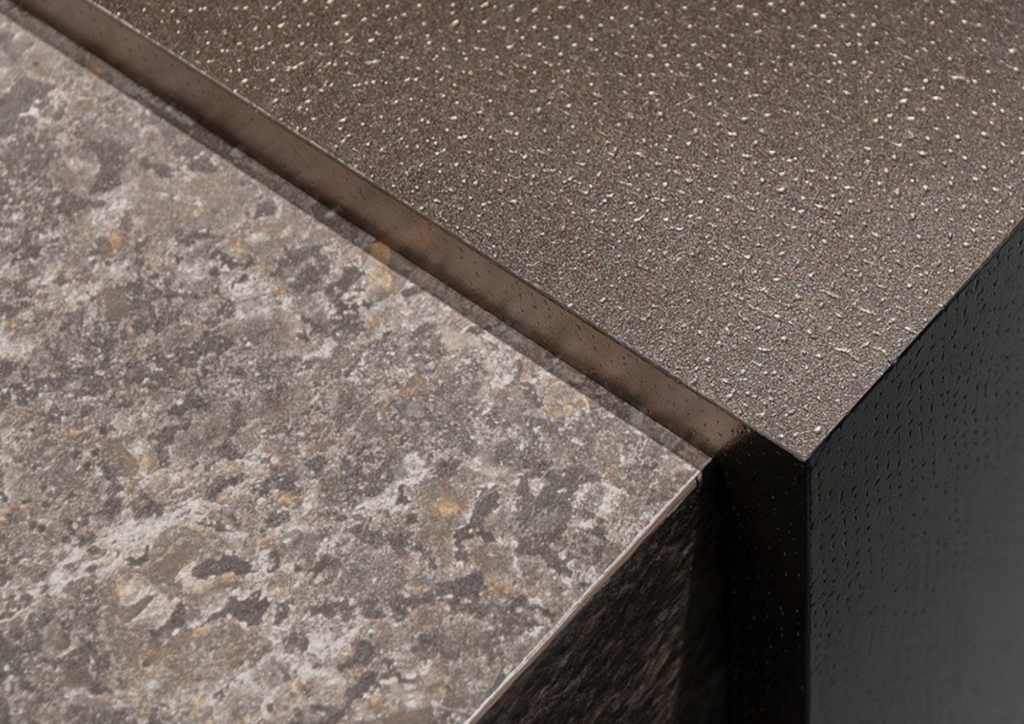
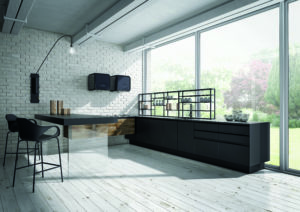
Materiality becomes more important than colour alone. Layered finishes, textured surfaces, and natural-inspired tones create kitchens that feel calm, grounded, and timeless. Limit the palette to two or three material families (for example: wood + stone + metal) to keep the space visually quiet.

3. Expanded Footprints & Flexible Zones
Kitchens in 2026 are being designed to do more. Homeowners are requesting:
-
Beverage and coffee stations
-
Wine storage zones
-
Secondary prep areas or butler-style pantries
-
Integrated storage that hides small appliances
These additions are particularly relevant in Vietnam, where the hosting culture is strong. During festive periods, kitchens must accommodate large-scale food preparation while still looking composed when guests arrive. a
Design Implication
Think in zones: a “prep zone” that can get messy, and a “presentation zone” that stays composed for guests, especially in open-plan homes.

4. Concealed Technology & Invisible Performance
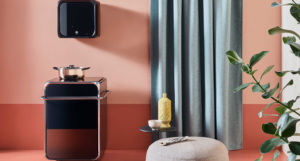
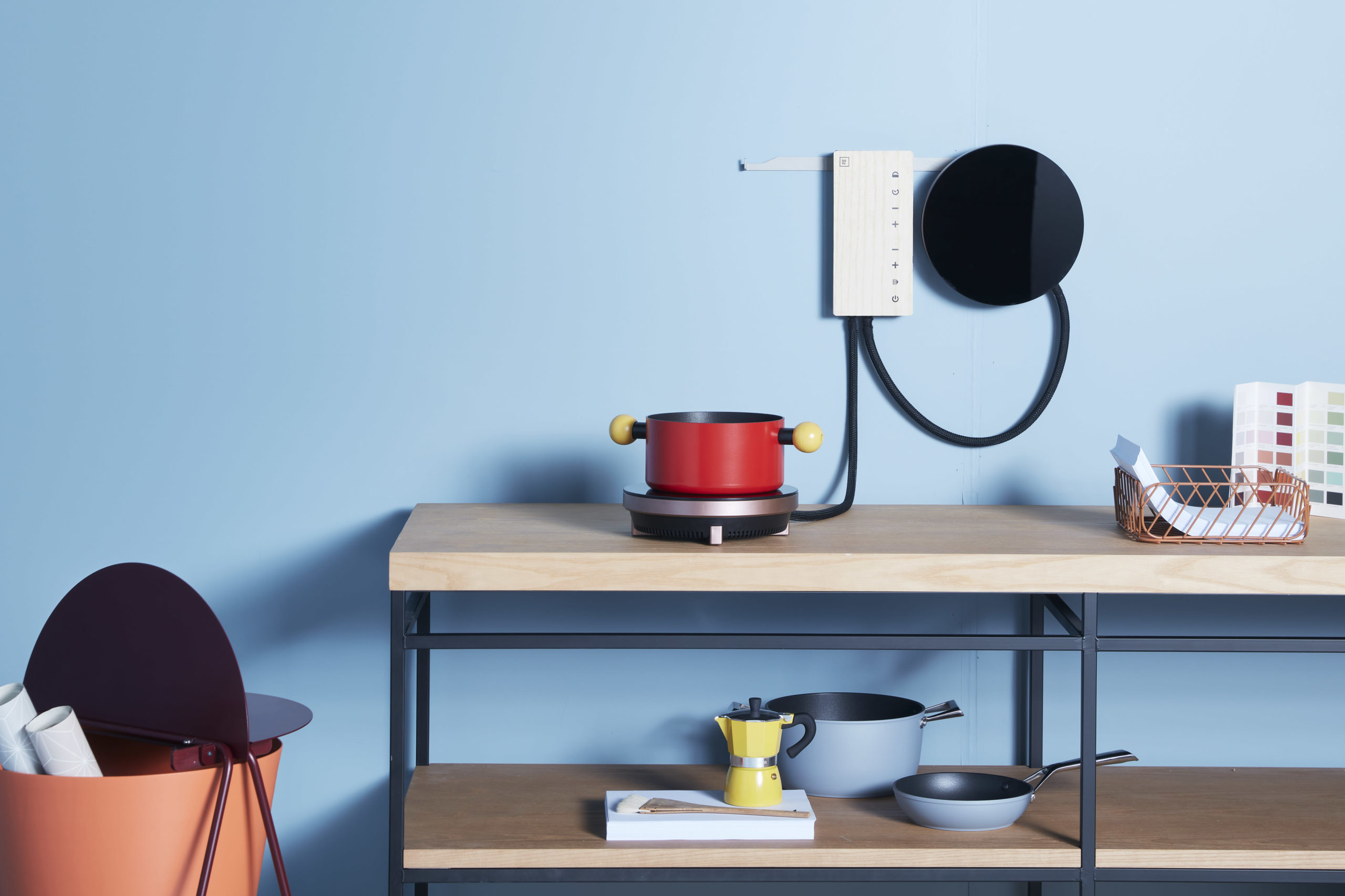
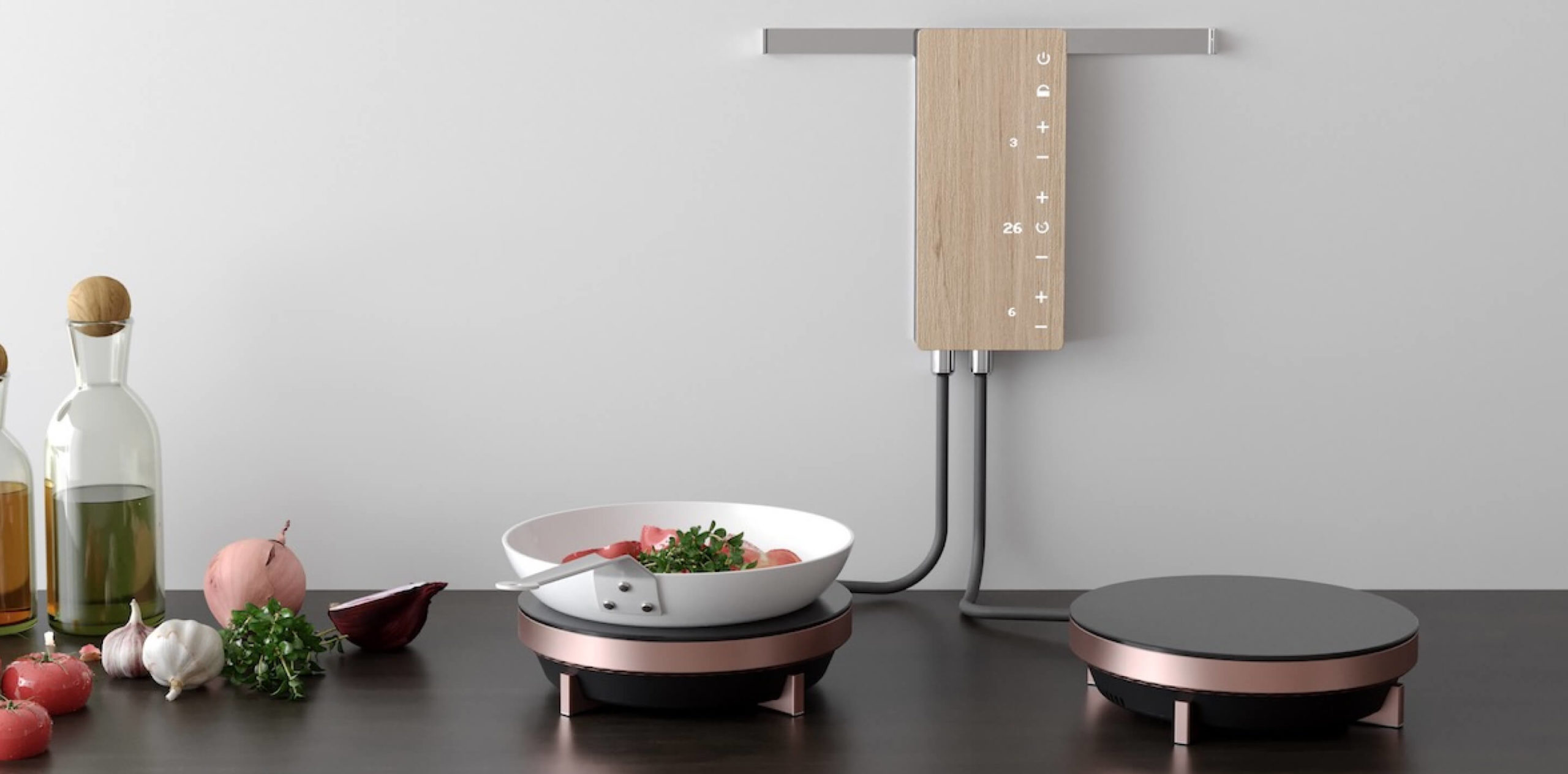
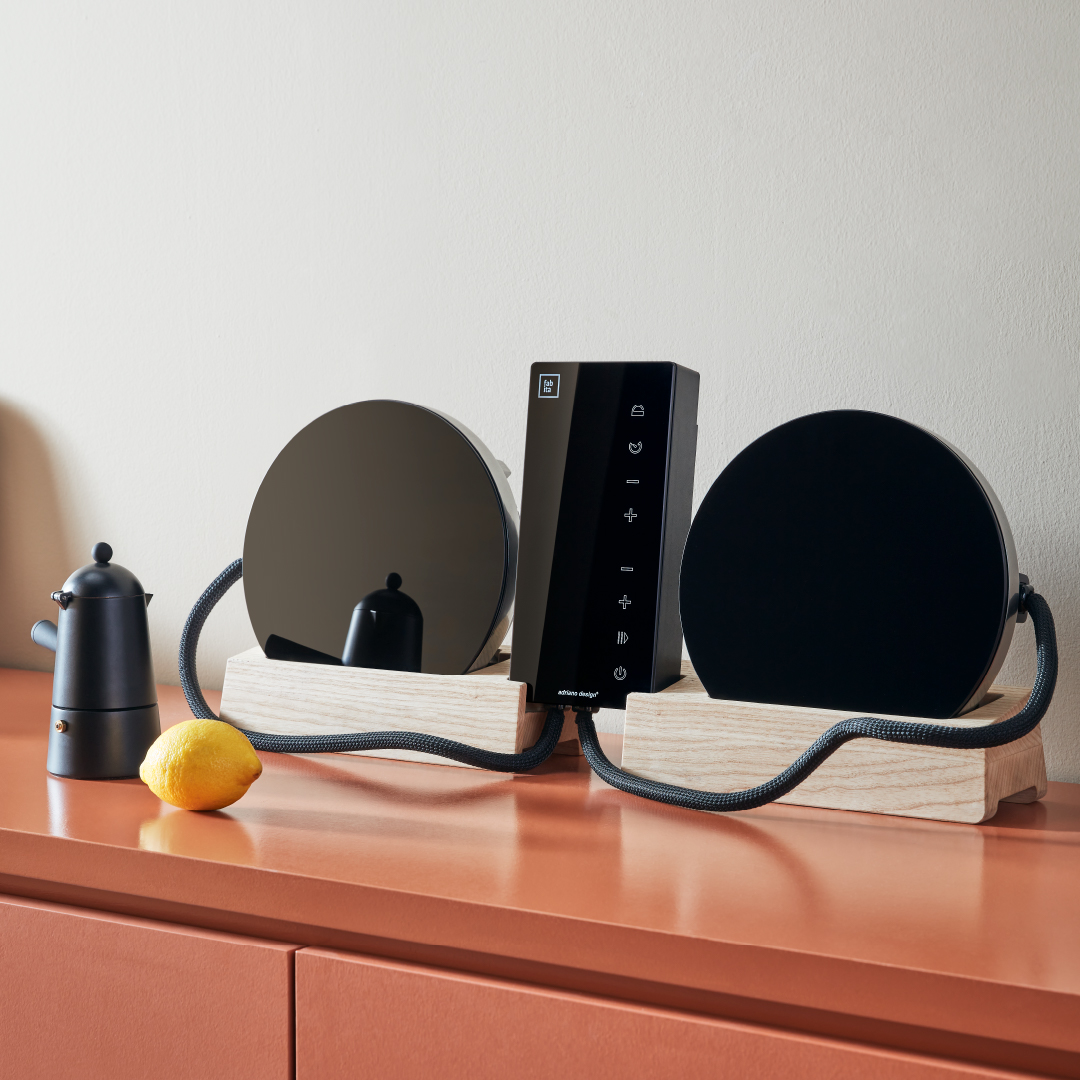
Appliances are becoming quieter visually and acoustically. Rather than dominating the design, technology is being integrated discreetly into surfaces and cabinetry.
Key directions include:
-
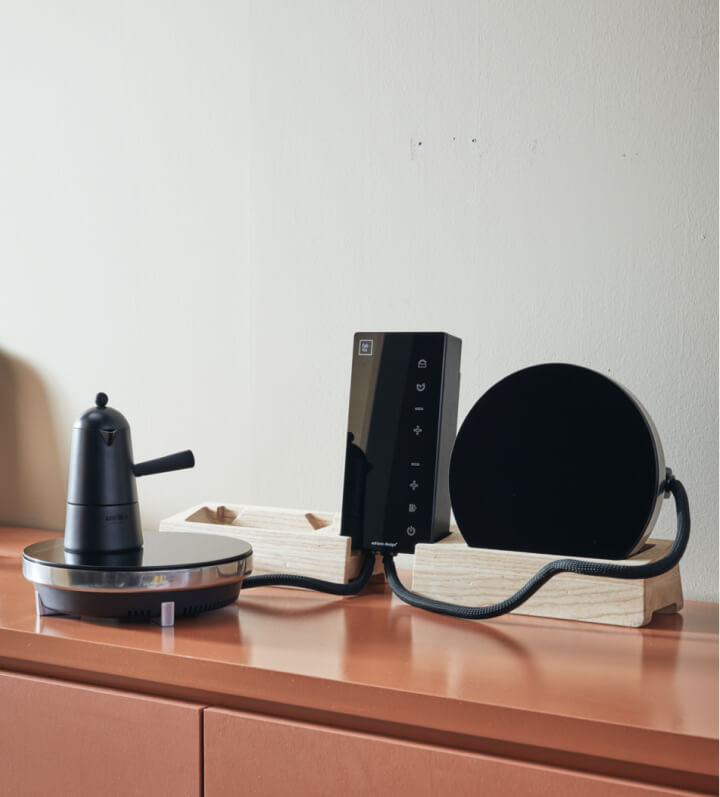
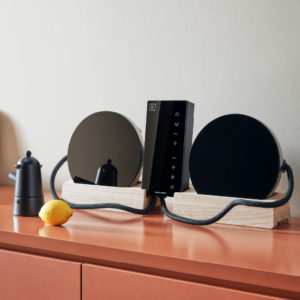
Invisible induction surfaces
-
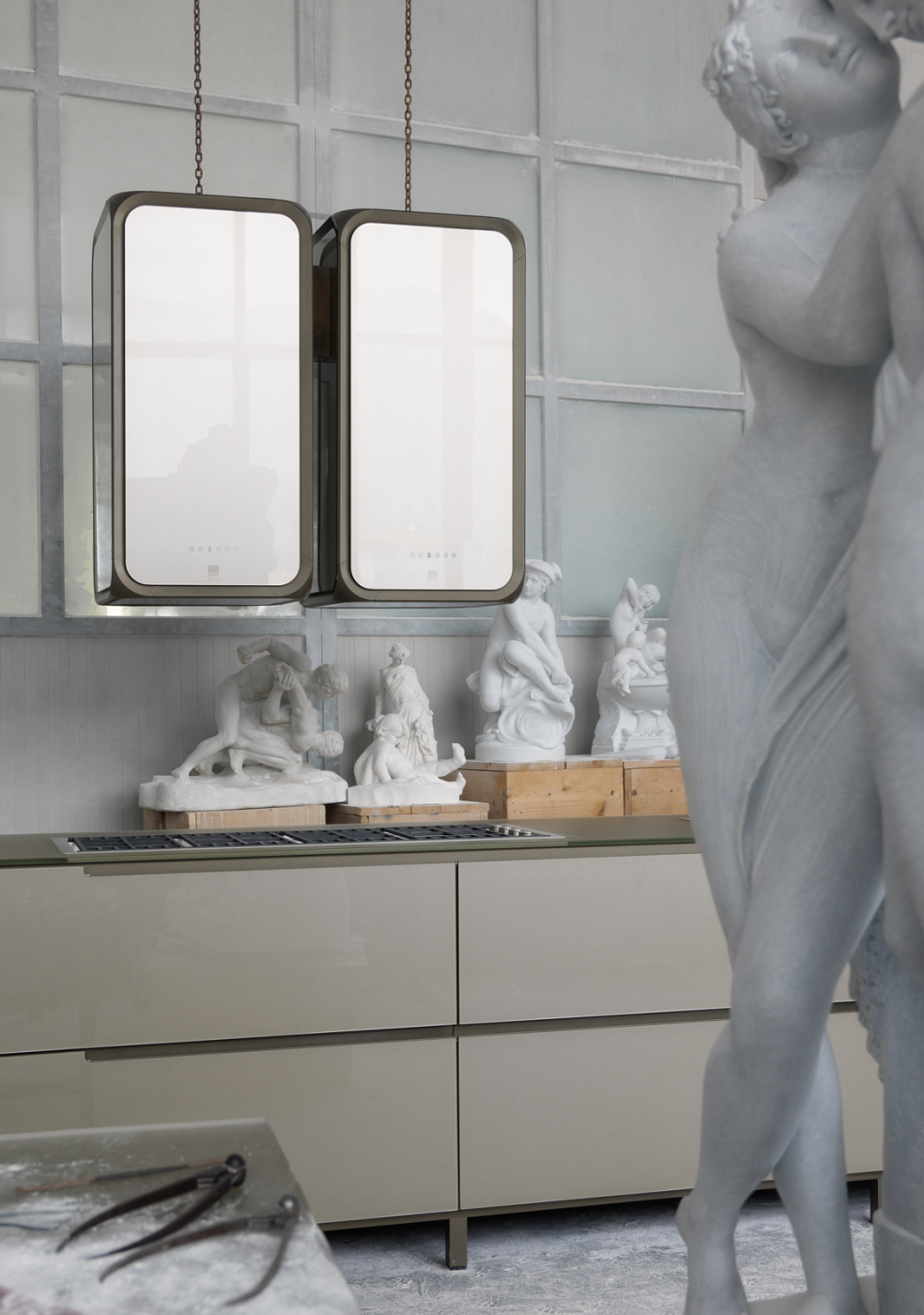
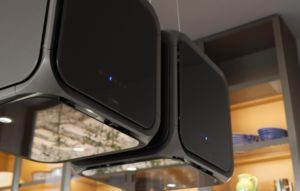
Hidden extraction systems
-
Fully integrated appliances
-
Handleless and touch-to-open cabinetry
Local Context
Performance must be powerful yet discreet. Kitchens should feel like part of the living space, not a separate technical zone. In Vietnam, discreet extraction becomes especially important in entertaining kitchens, so the room stays fresh while cooking is happening in real time.
Design Implication
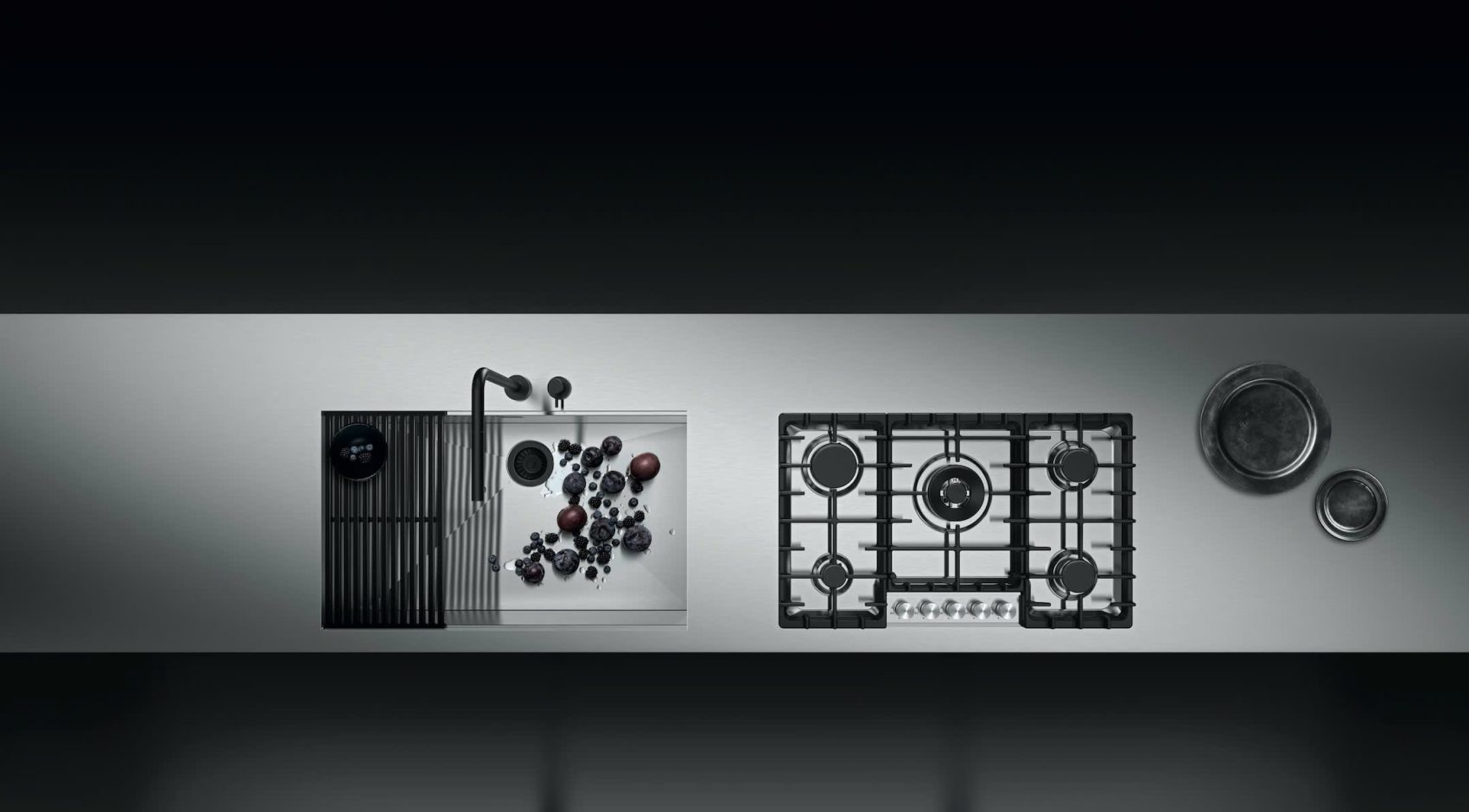
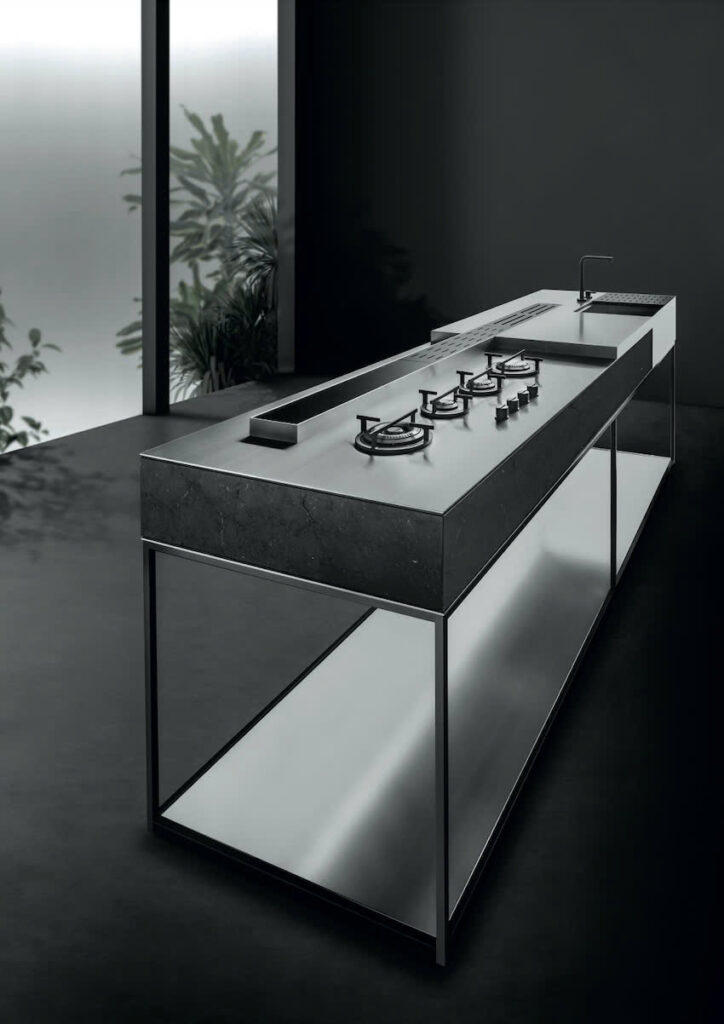
Velacucina Invisible Induction supports this direction through a cleaner surface language., Barazza integrated appliances deliver high-performance while preserving architectural continuity.
5. Lighting as an Architectural Tool
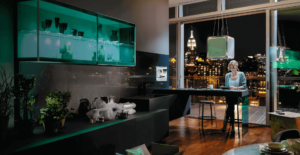
Lighting is now central to kitchen design. It defines mood, highlights materials, and helps large spaces feel layered and intimate.
Expect to see:
-
Integrated LED channels
-
Under-cabinet and recessed lighting
-
Layered task and ambient lighting
-
Scene-based smart lighting controls
Local Context
In high-rise living, kitchens often rely on a combination of natural daylight and evening artificial lighting. Layered lighting ensures the space feels equally refined for daytime cooking and evening entertaining.
Design Implication
Lighting should be designed alongside cabinetry and materials, not added later. It becomes part of the architecture of the kitchen. A single, well-placed LED channel can do more for luxury than multiple decorative fixtures.

6. Colour, Personality & Custom Expression
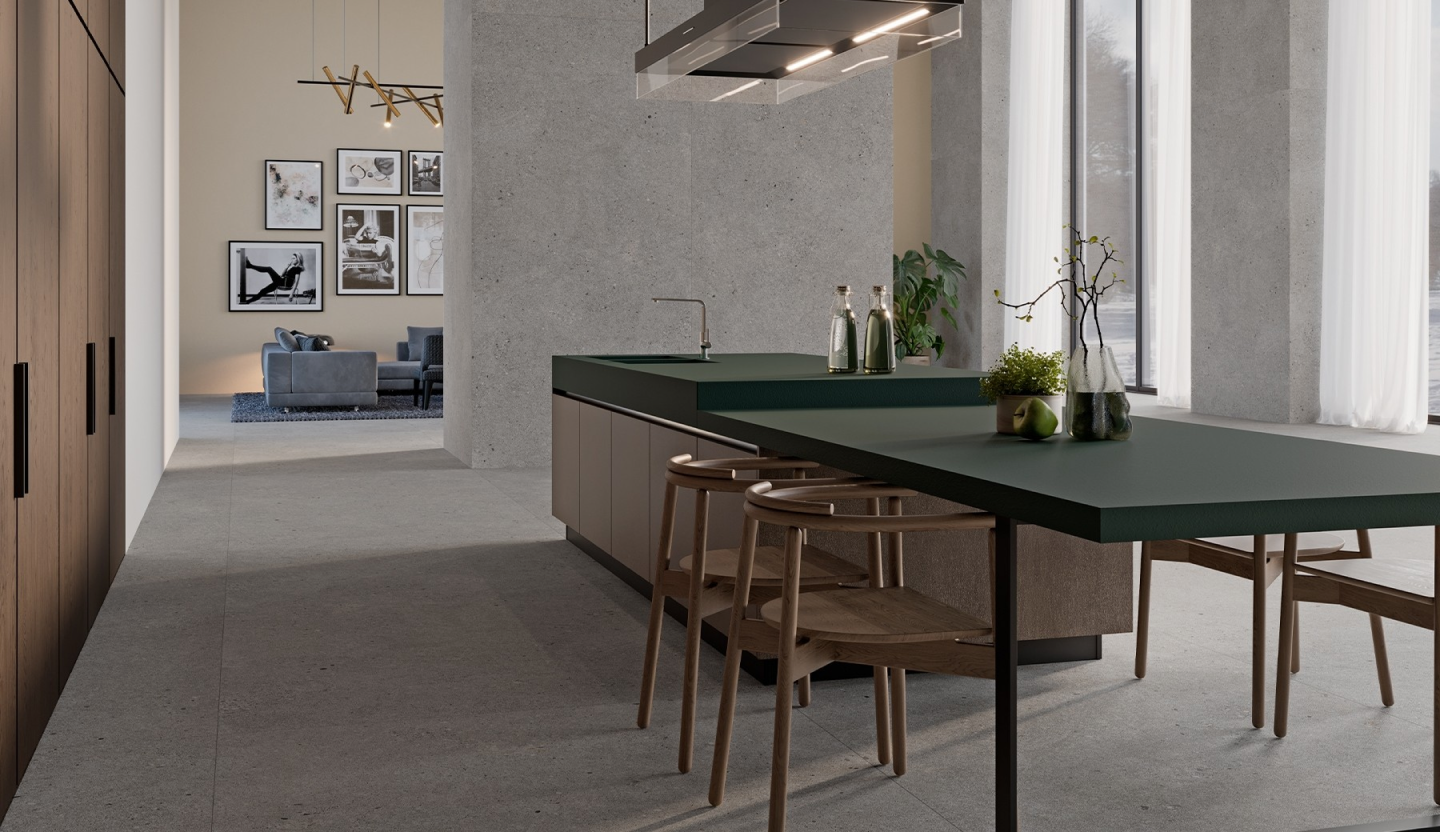
While calm neutrals dominate, designers are introducing personality through controlled accents, often on islands, feature panels, or selected appliances.
Popular expressions include:
-
Deep greens and muted jewel tones
-
Brushed stainless steel
-
Warm metallic accents
Local Context
As homeowners in Vietnam become more design-aware, kitchens are becoming more personal. Rather than copying global trends directly, clients are seeking spaces that reflect their lifestyle and taste while remaining sophisticated.
Upscale Perspective
Through bespoke design and Italian appliances from Barazza and Fabita, Upscale enables personalised kitchens that feel expressive yet refined, never generic. The key is restraint: one strong accent, supported by a calm base.

7. Sustainability, Wellness & Longevity
Sustainability is now about durability and long-term value rather than short-lived trends. Clients are prioritising:
-
Materials that withstand humidity and frequent cleaning
-
Surfaces resistant to staining from everyday cooking ingredients
-
Ergonomic layouts that support daily use
-
Health-conscious, easy-to-maintain environments
Local Context
Vietnam’s climate and cooking habits demand materials that can handle moisture, spills, and regular wipe-downs without degrading. Longevity is both an aesthetic and practical requirement.
Design Implication
Designing for endurance ensures kitchens remain beautiful and functional for years, reducing the need for frequent renovation. If it can’t handle humidity, heat, and daily wipe-downs, it isn’t a luxury choice here.
8. Quiet Luxury: Fewer Lines, Better Lines
In 2026, luxury reads as restraint. The most elevated kitchens feel calm from every angle, especially in open-plan homes where the kitchen is always on display. This is achieved through fewer visual breaks: consistent materials, aligned reveals, integrated appliances, and storage that keeps small items out of sight.
Design implication
Prioritise proportion, symmetry, and negative space. When the composition is right, the kitchen feels architectural, day and night.
2026-Ready Kitchen Checklist
-
Open-plan sightlines stay calm: clutter is concealed, surfaces stay uninterrupted
-
2–3 material families max (e.g., wood + stone + metal)
-
Prep zone vs presentation zone is clearly planned
-
Layered lighting is designed with cabinetry, not after
Conclusion: The 2026 Kitchen Vision
The kitchen of 2026 is calm, intelligent, and deeply personal. It blends sculptural design with high performance, integrates technology discreetly, and supports real daily living, from quiet mornings to festive gatherings.
For designers, the opportunity lies in creating kitchens that host beautifully, function effortlessly, and feel naturally connected to the rest of the home.
Spaces that are not just seen, but truly lived in.
For design partners, the details that matter most are often the quiet ones: zoning, sightlines, material behaviour, and lighting.
To bring this 2026 vision to life, Upscale supports projects with design-led appliance integration and discreet kitchen technologies that preserve clean lines and calm surfaces.